How AI Supports Mindfulness and Meditation Today
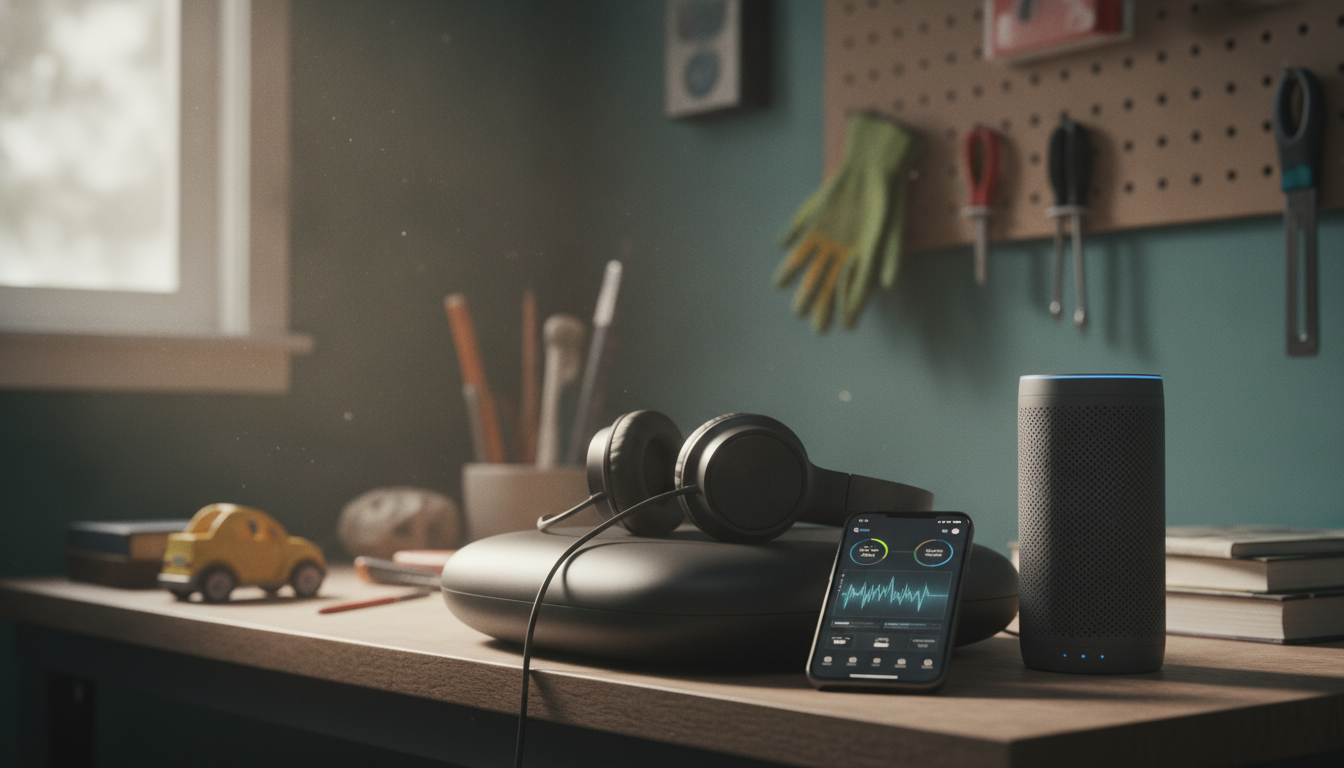
Is AI being used for mindfulness and meditation?
Yes. AI is increasingly used in mindfulness and meditation through apps and platforms that personalize sessions, guide breathing in real time, recommend practices based on mood or habits, and adapt content as routines change. These tools don’t “replace” mindfulness—they typically act as a coach, a library curator, and a progress tracker rolled into one.
How AI shows up in mindfulness tools
Most AI-driven meditation experiences fall into a few practical categories:
- Personalized session recommendations: Apps can learn what helps most (sleep, stress relief, focus) and surface meditations with the right length, voice, and pacing.
- Guided breathing and biofeedback: Some tools use phone sensors, wearables, or microphones to estimate breath patterns or heart rate trends and offer gentle adjustments.
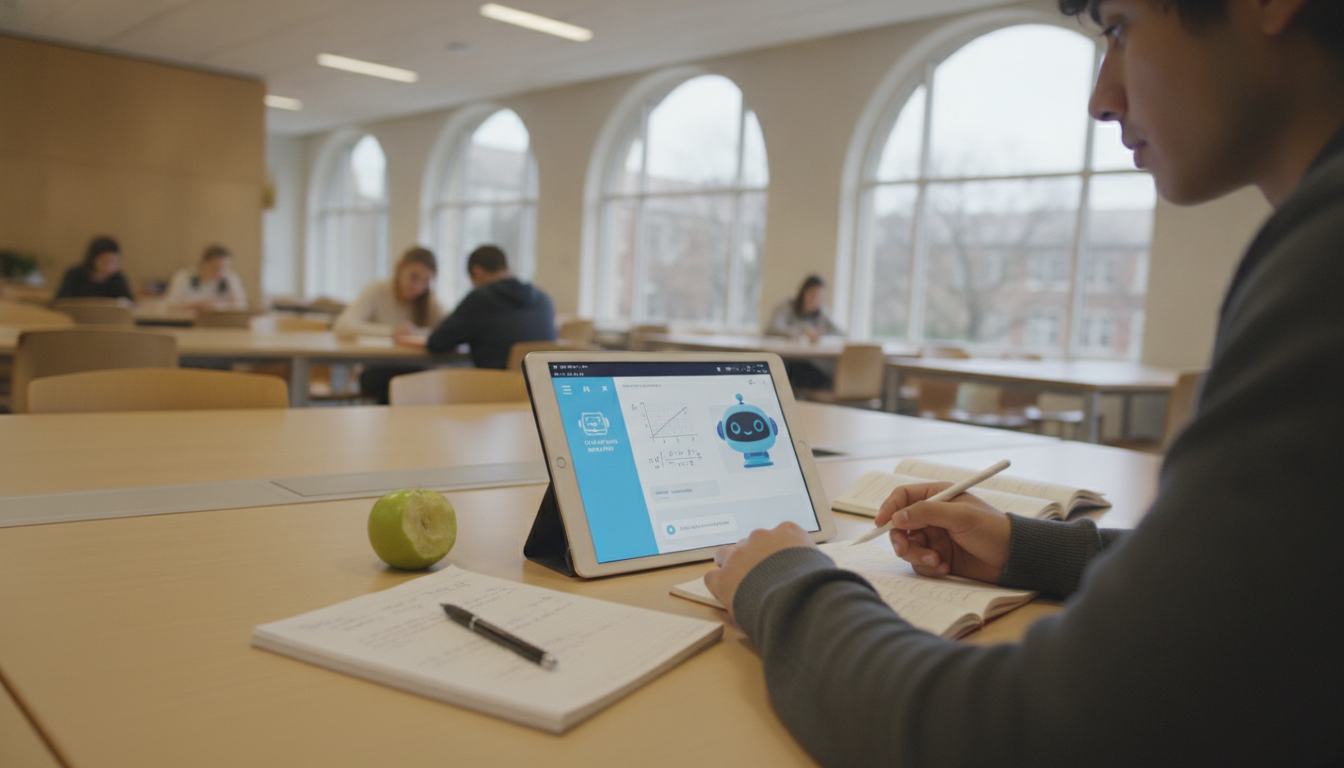
- Conversational support: Chat-style interfaces can help users identify a feeling, name a stressor, and select a short grounding practice without needing to browse a catalog.
- Consistency and habit-building: Smart reminders can time prompts based on when someone usually practices, not just a fixed daily notification.
What AI can do well (and where it has limits)
AI is especially useful for lowering friction—finding a session quickly, tailoring a plan to a schedule, or making meditation feel less intimidating for beginners. It can also help people notice patterns, like how late-night screen time correlates with restless sleep or how short midday practices affect focus.
At the same time, AI can’t guarantee accuracy when it infers mood or stress from limited signals, and it isn’t a substitute for mental health care. If someone is dealing with persistent anxiety, depression, or trauma symptoms, professional support is the safest path—AI should remain a complement, not the cornerstone.
Learn more
For a deeper look at how these tools work and what to watch for, visit the main guide: https://happytakesshelf.shop/is-ai-being-used-for-mindfulness-and-meditation/.
FAQ
Can AI meditation apps help with sleep?
They can, especially by recommending wind-down routines, sleep meditations, and breathing exercises based on what has worked for you before. Results vary, but consistency and a calm pre-bed environment make the biggest difference.






Leave a comment