Printable Pet First Aid Cheat Sheet for Emergencies
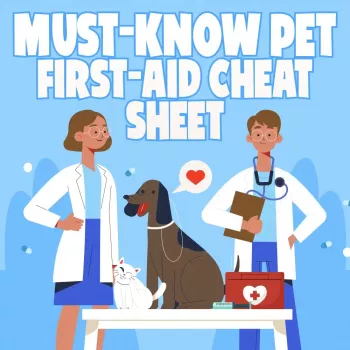
Must-Know Pet First-Aid Cheat Sheet: A Printable Emergency Guide for Calm, Fast Action
Pet emergencies move fast—choking, bleeding, poisoning concerns, heat issues, allergic reactions, or sudden collapse can change in minutes. A simple printable cheat sheet helps keep stress from stealing your focus, so the safest first steps are right in front of you while you call your veterinarian or head to an emergency clinic. The goal isn’t to replace veterinary care; it’s to organize the “do this now” actions, what to watch for, and what to pack so you can act quickly and clearly.
Before anything else: safety, breathing, and urgency
Start by protecting yourself and your pet. If there’s traffic, smoke, broken glass, aggressive animals, or a hot surface, move your pet to a safer spot first. Even gentle pets may bite when they’re in pain, so approach calmly and use a towel or blanket as a barrier if needed.
Do a rapid triage: check responsiveness (do they react to your voice/touch?), breathing (chest movement, airflow), gum color (pink is reassuring; pale/blue/gray is urgent), and severe bleeding. If breathing is absent or extremely labored, treat it as an immediate emergency.
Call ahead as soon as you can. Contact your primary vet or the nearest 24/7 emergency clinic for instructions while you prepare to leave; they may advise specific transport steps or ask you to come in immediately. Authoritative quick-reference guidance is also available from the American Veterinary Medical Association (AVMA).
Use a muzzle only when it’s safe. Never muzzle a vomiting pet, a pet struggling to breathe, or a pet with facial trauma. When restraint is necessary, a towel wrap can be safer than forcing a muzzle.
For transport, keep the head and neck aligned. If you suspect a spinal injury (after a fall, being hit by a car, or sudden paralysis), slide your pet onto a firm surface like a board or a carrier base. Keep them warm—without overheating—especially if they’re in shock.
Fast triage: what to do in the first 60 seconds
| Situation | What to check | First action | Go to emergency care now if… |
|---|---|---|---|
| Not breathing or collapsing | Chest movement, airway, gum color | Call emergency clinic; begin CPR if trained/able | No breathing, blue/gray gums, repeated collapse |
| Heavy bleeding | Blood flow rate; location | Apply firm pressure with clean cloth; keep pressure constant | Blood soaks through rapidly; spurting blood; pale gums |
| Choking/gagging | Air movement; coughing strength | Keep calm; inspect mouth only if safe; seek urgent help | Cannot breathe, weak/no cough, blue gums |
| Suspected poisoning | What was eaten; time; symptoms | Call vet/poison hotline; keep packaging; do not induce vomiting unless instructed | Seizures, tremors, severe lethargy, repeated vomiting |
| Heat exposure | Panting; temperature signs; collapse | Move to cool area; cool gradually; offer small water | Collapse, vomiting, confusion, persistent distress |
Printable cheat sheet essentials: what it should include and where to keep it
A cheat sheet is most useful when it’s personal and easy to grab. Include emergency contacts (primary vet, nearest 24/7 ER clinic, and animal poison control), plus a trusted neighbor or pet sitter who can help with transport or other pets.
Add a pet profile: species, breed, weight, age, current medications, chronic conditions, allergies, and microchip number. Under stress, even simple details can slip—writing them down saves time.
Leave space for “clinic-ready notes”: what happened, when it started, what might have been eaten/exposed to, and a brief symptom timeline. This information can help a veterinary team triage faster when you arrive.
Core first-aid actions for common emergencies (what to do—and what to avoid)
Seizures: Keep hands away from the mouth. Move furniture away, dim lights, and time the seizure. Afterward, keep your pet quiet and cool. Prolonged or repeated seizures require urgent veterinary care. The American Red Cross pet first aid resources are a helpful addition for general preparedness.
Poisoning and toxins: the fastest path to the right help
Before you call, collect details: product name, active ingredients, estimated amount, time of exposure, and current symptoms. Keep the packaging; a photo of the label can help. For expert help, contact your vet or the ASPCA Animal Poison Control Center.
A practical pet first-aid kit that matches the cheat sheet
When to stop first aid and go now
Printables to keep your household prepared
For a fridge-ready, car-ready reference, use the Must-Know Pet First-Aid Cheat Sheet (Printable Emergency Guide) so the same steps are available to every family member or pet sitter.
If you like keeping quick-reference lists on your phone alongside emergency info, the AI Tools Worth Learning: Your Must-Have Checklist is another simple digital download that can live in the same “ready” folder for fast access when you’re juggling tasks.
Make it a habit: practice once so it’s easier under stress
FAQ
Should vomiting be induced if a pet eats something dangerous?
No—don’t induce vomiting unless a veterinarian or poison control specifically instructs it. Some toxins can cause more damage when vomited, and there’s also a risk of aspiration, especially if your pet is weak or drowsy.
What are the most important signs that mean a pet needs emergency care right away?
Red flags include difficulty breathing, blue or very pale gums, collapse, uncontrolled bleeding, repeated or prolonged seizures, a swollen/bloated abdomen with retching, suspected poisoning, and heatstroke signs like confusion or collapse. Call ahead while you’re preparing to leave so the clinic can advise the safest next steps.
What should be on a printable pet first-aid cheat sheet for the fridge or car?
Include emergency contacts, your pet’s profile (weight, meds, allergies, microchip), fast triage steps, poisoning guidance (what to collect and who to call), and transport notes. Add a fill-in section for what happened, when it started, and symptom changes to share with the veterinary team.










Leave a comment